2 min read
The Unsung Hero of a Door: How to Choose the Frame and Architrave
Contents
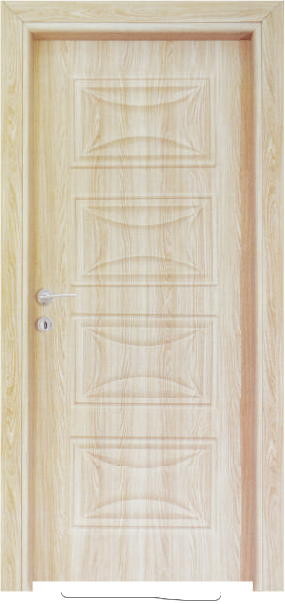
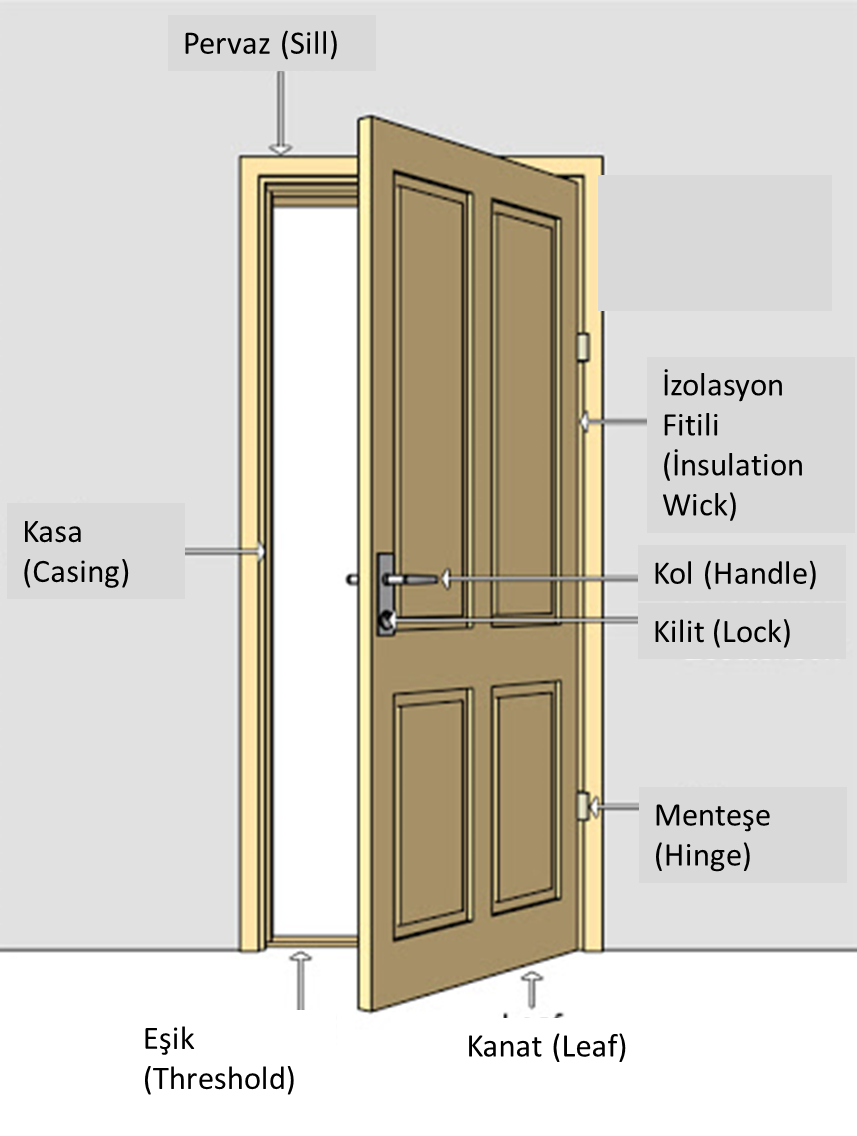
When choosing a door, everyone looks at the leaf: its colour, its pattern, its handle. Yet what decides whether the door still closes properly a few years later, or whether cracks appear at the corners, is usually not the leaf but the frame that carries it.
The frame and architrave are where the door meets the wall. Measuring errors, moisture and poor fitting show up here first. In this article we go through choosing the right frame and architrave step by step.
Why the frame matters so much
The full weight of the leaf rests on the frame through the hinges. If the frame is not fixed firmly and level, the leaf sags over time, the lock misses its keep and the door starts to rub. However good the leaf is, a poor frame wears it out quickly.
Wall thickness and adjustable frames
Frame width is chosen according to the finished wall thickness. But on site, walls are rarely the same thickness everywhere; plaster and skim coats can make a difference of a few centimetres.
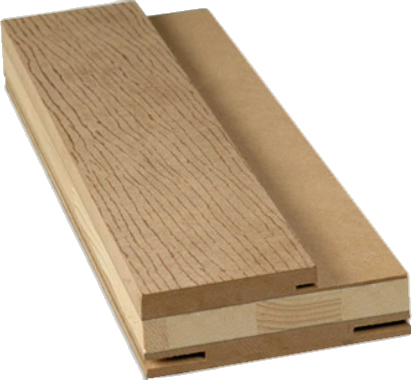
Adjustable (telescopic) frames are designed to absorb this: the part on the architrave side slides within a set range so the frame sits flush on both faces of the wall. On housing and hotel projects, where wall thicknesses vary from unit to unit, this makes life much easier.
Architrave: the finishing touch
The architrave covers the joint between frame and wall and completes the door’s outline. A flat architrave gives a clean, modern look; a moulded one suits classic interiors.
Clip-in architraves sit in a groove in the frame. No nail or screw marks are left, and they can be removed and refitted when needed.
Wet areas and floor contact
On bathroom and WC doors, the bottom of the frame comes into contact with the floor and cleaning water. Sealing the cut ends with edge banding and keeping the frame off the floor is the most effective way to prevent swelling.
Points to watch during installation
- The frame must be fixed level and plumb
- Foam and filling should leave no gaps behind the frame, but not so much that it bows the frame inwards
- Once the leaf is hung, the gaps around it should be even at every point
- Architraves should be fitted only after plastering and painting are completely finished
Pre-order checklist
- Finished wall thickness for each door (largest value)
- Whether an adjustable frame is needed
- Architrave type: flat / moulded, one side / both sides
- Are wet-area doors marked separately?
Ordering leaf, frame and architrave from the same manufacturer, in the same colour and finish, gives the most trouble-free result both visually and at installation. Send us your project’s door schedule and we can settle the frame and architrave choices together.
Frequently asked questions
How do I choose the frame width?
By the finished wall thickness. Measure top, middle and bottom and use the largest value; an adjustable frame absorbs a few centimetres of difference.
Is the architrave fixed to the wall or the frame?
Clip-in architraves sit in a groove in the frame for a clean finish with no visible nails or screws.
Can a frame be replaced later?
Yes, but it damages plaster and paint. Settling the frame size before ordering is the cheapest option.